
Can I wear contact lenses for swimming and other activities?

Can you swim with contacts? Perhaps you are wondering if, since you use contact lenses in your daily routine for clear vision, it is safe for you to go swimming with them. But it isn’t. Wearing contacts in a swimming pool exposes your eyes to danger.
It doesn’t matter how clean the body of water is; it houses microorganisms and germs. Exposing your eyes to this water increases your risk of eye infections.
This post will discuss the activities you should not be doing while wearing contact lenses, the risks, and how to maintain good eye health.
Can you swim with contact lenses?
The answer is a big no! It isn’t correct. A swimming pool, hot tub, and lakes are not places you should go with your contacts on. If you go swimming, remove your contacts.
Can you swim with contact lenses while wearing goggles?

No. Even with tight-fitting goggles, the safest approach is to remove contact lenses before entering the water. Goggles can leak. If you need vision correction while swimming, use prescription swimming goggles instead.
Can You Wear Contacts in the Ocean or in Fresh Water?
If you intend to go swimming in the ocean or freshwater, it is not advisable to have your contact lens on. The ocean or any kind of water houses various bacteria that get into your eyes and stick to your contacts. An example is Acanthamoeba. It is these bacteria that causes Acanthamoeba keratitis, an eye infection that eats away at the cornea of the eyes, causing corneal ulcers.
Additionally, when it comes into contact with your eyes, you feel uncomfortable. You will notice a range of eye issues, including dry eyes, redness, sensitive eyes, pink eye, and, in rare cases, permanent vision loss if not taken care of immediately by an eye doctor.
Swimming in Salt Water
It is best you keep your eyes safe. Whether tap water, rain, ocean, or freshwater, no one is good for your contacts.
Swimming in Fresh Water
Remember, safety comes first. Fresh water contains bacteria that enter your eye and destroy your cornea. It is a great risk that you should not take.
Can I Wear Contact Lenses in Swimming Pool?
Your eye safety comes first. This means it’s safer to not wear contact lenses while swimming. There are daily disposable lenses that you can easily take out and replace when you want to do fun activities like swimming.
However, if you need clear vision while swimming, there are swimming goggles you can wear in the pool. They are prescription goggles that aid your sight and give crystal clear vision if you have eye conditions like short-sightedness. They are prescribed by an eye doctor.
Can You Open Your Eyes Underwater With Contacts In?
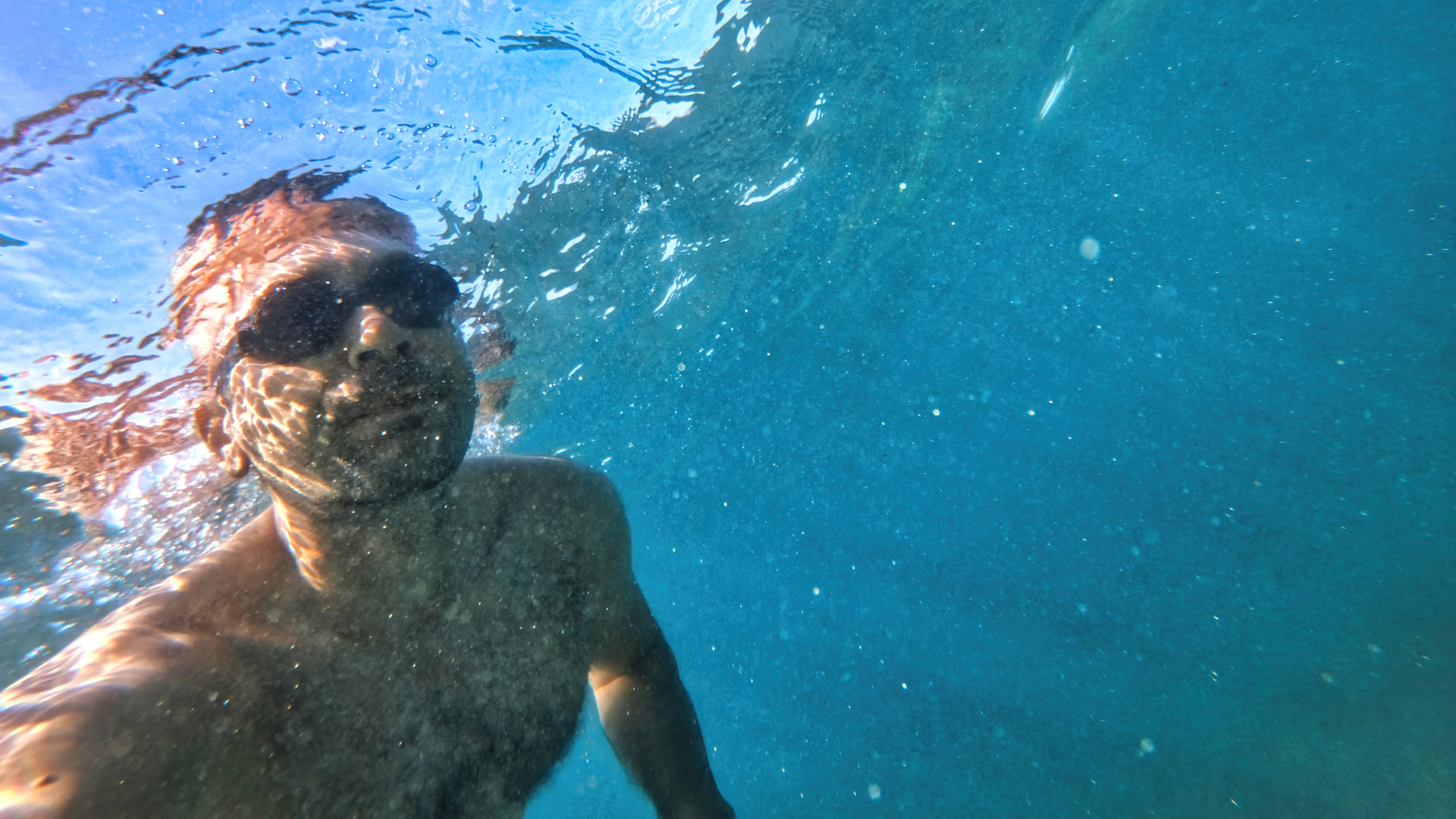
It is not a good idea to open your eyes underwater. If you must open them, you should wear goggles. They protect your eyes from the potential danger that water could pose to them.
Wearing contact lenses underwater is not advised. You may think “What if it’s in a pool?”, that is not good either. Pool water is not healthy for your eyes even though it is treated because pool water contains chlorine, and it can affect your eyes badly.
Here’s what chlorine does to your eyes:
- It strips your eyes of the tear film that protects them from germs
- It irritates your eyes
- It makes your vision blurry
- It can cause photophobia
Is Swimming with Contacts In Safe?
It is not safe. Remove contact lenses before swimming. Tight-fitting goggles reduce splashes but do not make swimming in contact lenses risk-free. If you swim regularly and need vision correction, ask an eye care professional about prescription swimming goggles.
The Risks of Swimming with Contact Lenses in Your Eyes
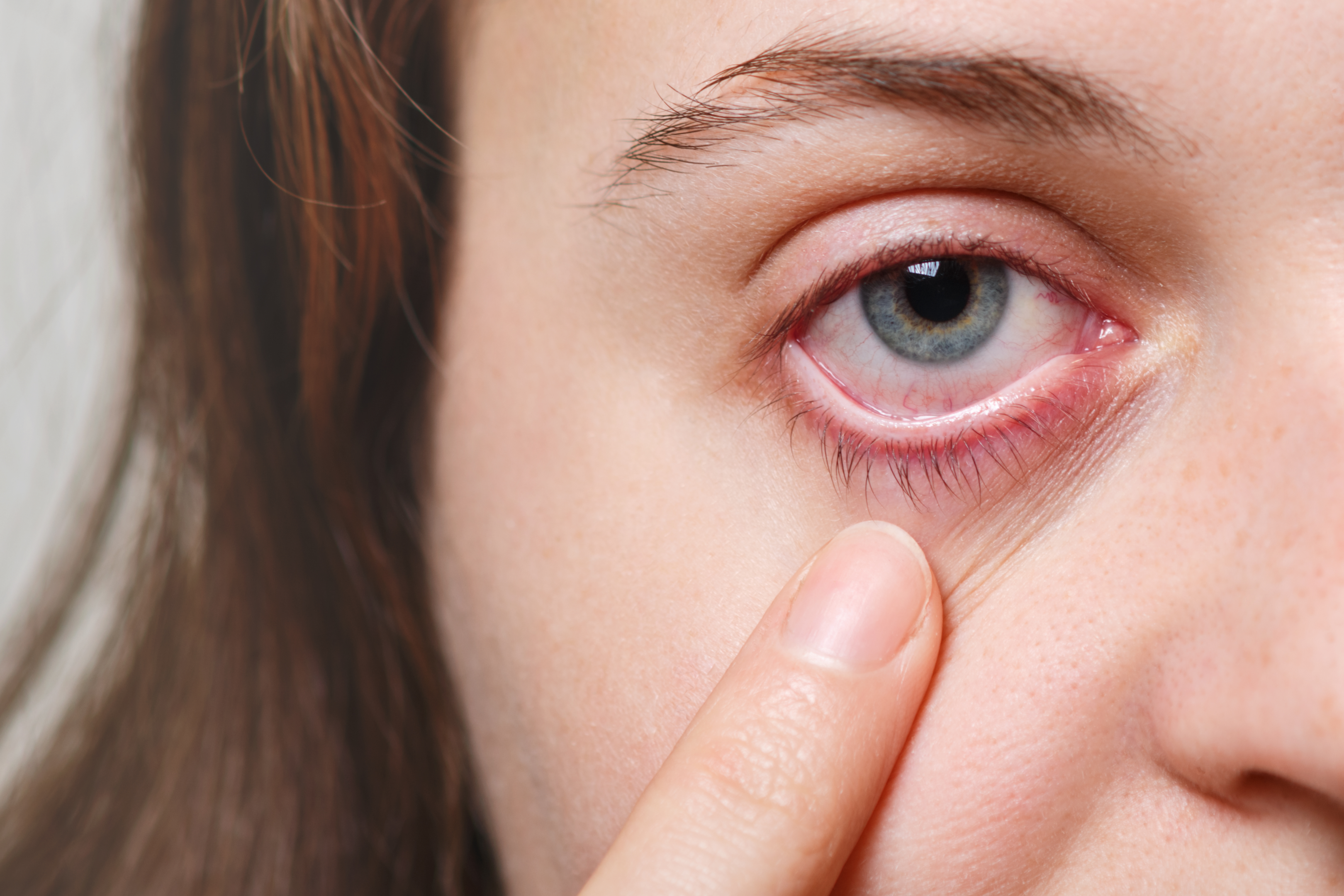
Swimming with contact lenses increases the risk of irritation, corneal injury, and serious eye infection. Acanthamoeba keratitis can be painful and difficult to treat; in rare severe cases it may lead to a corneal transplant or loss of vision. Remove your lenses before you swim.
Symptoms to Look for After Swimming with Contacts In
If you swim with contact lenses in, here are some things to look out for:
- Dry eyes and itching
- Teary eyes
- Redness
- Hypersensitivity to light
How do I protect my contacts when swimming?

Remove your contact lenses before swimming and store reusable lenses in fresh contact lens solution. Never rinse or store lenses in water. For clear vision in the pool, use prescription swimming goggles.
Are There Waterproof Contact Lenses for Swimming?
No, there are no waterproof lenses. If you must swim, use prescribed goggles instead.
Looking for contact lenses without prescription? See our offer:
See our products:
What If You Already Went Swimming With Your Contacts In?
Remove the lenses as soon as possible. Discard daily disposable lenses. Reusable lenses should be cleaned and disinfected overnight with the recommended contact lens solution before they are worn again; do not simply place wet lenses back in their case or rinse them with water. If you develop eye pain, redness, light sensitivity, blurred vision, or persistent irritation, contact an eye care professional promptly. See the CDC guidance on keeping water away from contact lenses.
Other Contact Lenses Wearing Questions

Can I Wear Contact Lenses to Sleep?
When you wear your contact lens to sleep, you are more vulnerable to eye infections. It prevents oxygen and moisture from reaching your eyes.
Can I Wear Contact Lenses for Sports?
Yes! Wearing a contact lens for sports is very safe. It is more comfortable than wearing glasses. Sports will require you to move your body, and contact lenses provide more comfort because they are directly on your eyes.
Still, it depends on the sport. If it’s a sport that involves water, a contact lens is not for it.
Can I Wear Contact Lenses in the Sauna?
Heat and dry air can make contact lenses uncomfortable and may worsen dryness. Remove them before entering the sauna and store reusable lenses in fresh contact lens solution. For more detail, read our guide to wearing contact lenses in the sauna and swimming pool.
Can I Wear Contact Lenses in The Shower?
The CDC recommends removing contact lenses before showering. Tap water can contain microorganisms, and water can make soft lenses swell, change shape, and stick to the eye, increasing the risk of scratches and infection.
Can I Wear Contact Lenses, Scuba Diving?
Remove contact lenses before scuba diving because water can enter or flood a dive mask and contaminate the lenses. If you need vision correction underwater, use a prescription dive mask and discuss the best option with an eye care professional.
Can I Wear Contact Lenses During Sunbath?
Since it’s a dry environment, it’s okay to sunbathe while wearing contacts. There’s no risk of infection here. But, you should put on sunglasses to block UV rays from penetrating your eyes, and if it’s too hot, don’t linger because your contacts could dry up. Don’t risk irritation while enjoying the sunshine.
Can I Wear Contact Lenses at the Beach?
Wearing contact lenses or glasses at the beach is not a good idea, though it does not pose a threat to your eyes. But the beach is windy with lots of sand that can enter your eyes. You don’t want your lenses scratched. Additionally, you could be tempted to take a swim. Wearing contact lenses while swimming is dangerous for your eyes.
Read also:
- Traveling with contact lenses
- Computer vision syndrome (Digital eye strain)
- How to Take Care of Your Eyes in Summer
Frequently asked questions
What should readers keep in mind about Can I wear contact lenses for swimming and other activities??
The routine depends on the lens type. Daily disposables are replaced after use, while reusable lenses follow the cleaning, disinfection and replacement instructions supplied for that product.
What details are worth checking before making a change?
Pause lens wear when something feels unusual and review the lens, your handling routine and the product instructions. If a problem is unexpected, persistent or worsening, ask a qualified eye-care professional for individual advice.
When is general information not enough?
An article cannot account for every wearer, lens design or eye-care history. When you are unsure about fit, parameters, symptoms or a change in your routine, use advice from a qualified eye-care professional who can assess your individual situation.
Related posts:






Leave a comment
You must be logged in to post a comment.