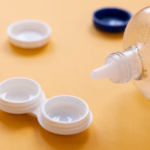
Contact Lens Recycling: 10 Eco-Friendly Things Every Lens Wearer Should Know

Contact lenses are tiny, soft, and easy to throw away without thinking. But when millions of people wear them every day, used lenses, blister packs, foil seals, lens cases, and solution bottles can create a surprising amount of waste.
That is why contact lens recycling is becoming an important part of modern eye care. Many contact lens wearers already think about comfort, vision quality, UV protection, and convenience. Now, more people are also asking a new question: how can I wear contact lenses in a more eco-friendly way?
The good news is that you do not need to stop wearing contacts to make better environmental choices. You simply need to dispose of them correctly, recycle what can be recycled, and choose lenses that fit both your eyes and your lifestyle.
Here are 10 important things to know about contact lens recycling, reducing contact lens waste, and making your eye care routine more sustainable.
1. Contact lenses can contribute to microplastic pollution
A used contact lens may look harmless, but it is still made from plastic-based material. Most soft lenses are made from hydrogel or silicone hydrogel materials that are designed for comfort and oxygen flow, not for quick natural breakdown.
The biggest problem happens when lenses are flushed down the toilet or washed into the sink. Research from Arizona State University warned that discarded contacts can pass into wastewater systems and break into microplastic fragments. These tiny plastic particles may then end up in sludge, soil, waterways, or the wider environment.
This does not mean contact lenses are the biggest source of plastic pollution. But it does mean that every wearer can make a small, useful change by disposing of lenses correctly.
2. Never flush contact lenses

The most important rule is simple: never flush your contact lenses.
Do not put used lenses in the sink. Do not rinse them down the drain. Do not flush them in the toilet. Even if they are very small, contact lenses do not belong in wastewater systems.
If you do not have access to a contact lens recycling program, place used lenses in your regular trash. That is not a perfect environmental solution, but it is still much better than letting them enter the water system.
A better option is to collect used lenses and packaging in a clean, dry container and take them to a participating recycling point. For more general safety habits, it is also worth reading this guide on contact lens dos, don’ts, and common myths, because proper handling is just as important as proper disposal.
3. Contact lens waste is more than just the lens

When people think about contact lens waste, they usually think only about the used lens. In reality, the waste stream can include several items: used contact lenses, plastic blister packs, foil seals, cardboard boxes, lens cases, contact lens solution bottles, and caps.
Some of these items are easier to recycle than others. Cardboard boxes can usually go into regular household recycling. Larger plastic solution bottles may also be accepted by local recycling programs, depending on your area.
Small blister packs, foil tops, used lenses, and lens cases are more difficult. Because they are small and made from mixed or specialized materials, many standard recycling systems do not handle them well.
4. The TerraCycle lens program makes recycling easier
One of the best-known options in the United States is the Bausch + Lomb ONE by ONE Recycling Program, operated with TerraCycle. This program accepts used contact lenses and packaging, including blister packs and top foils, from all brands.
Many participating eye care offices collect these materials in special recycling bins. Wearers can bring used lenses and packaging to those locations instead of throwing everything into the trash.
This type of TerraCycle lens program is useful because it handles materials that are usually too small or inconvenient for regular household recycling.
5. What can you usually recycle?

Program rules can change, so you should always check the current instructions before dropping anything off. In general, contact lens recycling programs may accept items such as used contact lenses, blister packs, top foils, contact lens cases, small solution bottles, and certain eye care packaging.
A simple habit can help: keep a small container in your bathroom for used lenses, blister packs, and foils. Let everything dry, then bring the collected items to a recycling location when the container is full.
This is also a good moment to review your overall lens routine. If you are unsure which type of lens fits your eyes, schedule, and cleaning habits, this comprehensive guide to choosing contact lenses can help you understand the main factors before you buy.
6. Daily lenses may create more packaging waste
Daily disposable lenses are popular because they are convenient, fresh, and easy to use. You wear a new pair every day and throw them away after removal.
However, daily lenses usually create more packaging waste than monthly lenses because every pair comes in its own blister pack with a foil seal. That does not mean daily lenses are a bad choice. For many people, daily disposables are safer, cleaner, and more comfortable. They may be especially helpful for allergies, travel, busy lifestyles, or people who struggle with proper cleaning routines.
The goal is not to shame daily lens wearers. The goal is to recycle the waste correctly.
7. Monthly lenses can reduce some waste, but they are not waste-free

Monthly contact lenses may reduce the number of blister packs and foil seals you throw away. Instead of opening a new pair every day, you replace the lenses on a monthly schedule.
However, monthly lenses still require lens cases, cleaning solution, and solution bottles. They also require excellent hygiene. If you do not clean and store them properly, you may increase your risk of eye irritation or infection.
So, the most sustainable contact lenses are not always the ones with the least visible packaging. The best choice is the lens type that protects your eye health and fits your routine.
8. Eco-friendly eye care should never replace eye safety
Eco-friendly eye care is important, but eye safety always comes first.
Never reuse daily disposable lenses to reduce waste. Never keep monthly lenses longer than recommended. Never use water instead of contact lens solution. Never continue wearing lenses that feel uncomfortable just because you want to avoid throwing them away.
If your eyes often feel dry, irritated, or tired while wearing lenses, the problem should not be ignored. Our article on dry eye syndrome, causes, and treatments explains why dryness can make contact lens wear more uncomfortable and when it may be time to ask for professional advice.
Sustainability should support healthy habits, not replace them.
9. Small habits make your contact lens routine greener
You can make your lens routine more sustainable without changing everything at once.
Start by recycling the outer cardboard boxes. Then collect blister packs and foils for a proper contact lens recycling program. If your area has a TerraCycle drop-off point, use it regularly. If your eye care clinic does not currently collect used lenses, ask whether they plan to participate.
You can also avoid overbuying. Contact lenses have expiration dates, and expired lenses should not be worn. Buying the right supply helps reduce unused product waste.
If you use reusable lenses, replace your lens case on schedule, but recycle it through an accepted program when possible.
10. Contact lens recycling makes modern lens wear more responsible

Contact lenses offer freedom from glasses, clear vision, and comfort for millions of people. But convenience comes with responsibility.
The good news is that contact lens recycling gives wearers a practical way to reduce waste. Instead of sending every used lens, blister pack, and foil seal to the trash, you can collect them and recycle them through specialized programs.
This is especially important because contact lenses are small enough to be forgotten, but common enough to matter.
Sustainable eye care also includes everyday lifestyle choices. If you spend long hours on screens, you may also want to read about Computer Vision Syndrome and digital eye strain, because modern eye comfort depends on more than the lenses you wear.
Daily vs. Monthly Contact Lens Waste: Simple Comparison
| Lens Type | Main Waste Sources | Eco-Friendly Tip |
|---|---|---|
| Daily disposable lenses | Used lenses, blister packs, foil seals, cardboard boxes | Collect lenses, blister packs, and foils for contact lens recycling |
| Monthly lenses | Used lenses, lens cases, solution bottles, caps, cardboard boxes | Recycle solution bottles and use a proper recycling program for small items |
| All contact lenses | Packaging, expired lenses, improper disposal | Never flush lenses and recycle whenever possible |

Final thoughts
Contact lenses may be small, but your disposal habits still matter. The easiest and most important step is to never flush used lenses. From there, you can recycle packaging, use a TerraCycle lens program where available, and talk to your eye care professional about lower-waste options that still protect your eyes.
Sustainable contact lenses are not about perfection. They are about smarter choices. When you recycle what you can, avoid unnecessary waste, and follow safe lens care rules, your contact lens routine becomes better for your eyes and better for the planet.
Frequently asked questions
What should readers keep in mind about Contact Lens Recycling: 10 Eco-Friendly Things Every Lens Wearer Should Know?
The routine depends on the lens type. Daily disposables are replaced after use, while reusable lenses follow the cleaning, disinfection and replacement instructions supplied for that product.
What details are worth checking before making a change?
Pause lens wear when something feels unusual and review the lens, your handling routine and the product instructions. If a problem is unexpected, persistent or worsening, ask a qualified eye-care professional for individual advice.
When is general information not enough?
An article cannot account for every wearer, lens design or eye-care history. When you are unsure about fit, parameters, symptoms or a change in your routine, use advice from a qualified eye-care professional who can assess your individual situation.
Related posts: