How to Put in Eye Drops: A Step-by-Step Guide

Learning how to put in eye drops correctly is important for both comfort and eye health. Drops may seem simple to use, but poor application can reduce their effectiveness, waste medication, or irritate the eye.
Not all products work the same way. Some help moisturize dry eyes, while others treat allergies, infections, inflammation, or glaucoma. Prescription medication for the eyes should always be used exactly as directed by your eye doctor.
If you wear contact lenses, you need to be especially careful. Some lubricating products can be used with lenses, while many medicated formulas should only be applied after removing them. This guide explains safe application, common mistakes to avoid, and what contact lens wearers should know.
Why Correct Application Matters
Eye medication works best when it reaches the surface of the eye and stays there long enough to be absorbed. If the drop misses, runs down your cheek, or drains too quickly into the tear duct, you may not receive the full benefit.
Correct use can help:
Improve comfort
Reduce dryness or irritation
Support treatment prescribed by your doctor
Prevent bottle contamination
Avoid wasting medication
Reduce the chance of using too much product
For contact lens wearers, safe use matters even more. Poor hygiene, touching the dropper tip, or using the wrong product over lenses can increase irritation and discomfort.
If you are also learning better everyday lens habits, read our guide on how to care for contact lenses.
Step 1: Follow Your Eye Doctor’s Instructions
Before using any prescription product, read the instructions carefully. Your doctor or pharmacist should explain how many drops to use, how often to apply them, and whether you need to remove contact lenses first.
Some medications are used once a day. Others may require several applications throughout the day. If you use more than one type, your doctor may also tell you how long to wait between them.
Do not change the dose, stop treatment early, or use someone else’s medication without medical advice. Eye treatments are not one-size-fits-all products.
Step 2: Wash and Dry Your Hands
Clean hands are essential before touching your eyes, eyelids, contact lenses, or the bottle.
Wash your hands with soap and water, then dry them with a clean towel. If soap and water are not available, use hand sanitizer and wait until your hands are completely dry before application.
This simple step helps reduce the risk of transferring bacteria, dirt, or oils into the eye.
Step 3: Prepare the Bottle
Check the label before each use to make sure you have the correct product. This is especially important if you use more than one treatment.
Before application:
Check the expiration date.
Make sure the bottle is clean.
Shake it if the instructions say to do so.
Remove the cap carefully.
Do not touch the dropper tip with your fingers.
Do not let the tip touch your eye, eyelashes, eyelid, or skin.
Touching the dropper tip can contaminate the bottle and increase the risk of irritation or infection.
Step 4: Tilt Your Head Back and Create a Small Pocket
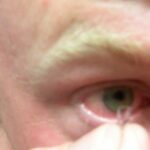
For correct application, tilt your head back and look upward. With one hand, gently pull down your lower eyelid to create a small pocket between the eyelid and the eye.
Hold the bottle with your other hand. Keep the dropper tip above the pocket, but do not let it touch the eye or eyelid.
This position helps the liquid land in the right place and makes application easier.
Step 5: Apply One Drop
Gently squeeze the bottle so that one drop falls into the lower eyelid pocket. Try not to blink immediately while it lands.
If your doctor prescribed only one drop, do not add more just because some liquid runs down your cheek. The eye can only hold a small amount at one time, and extra liquid often overflows.
If you miss the eye completely, try again. If you are unsure whether the medication went in, follow your doctor’s instructions or ask your pharmacist for guidance.
Step 6: Close Your Eye and Press the Inner Corner
After applying the drop, close your eye gently. Do not squeeze your eyelids tightly.
Use one finger to apply light pressure to the inner corner of the eye, near the bridge of your nose. Hold this position for about one minute. This may help keep the medication on the eye longer and reduce drainage through the tear duct.
Blinking repeatedly right after application can push liquid out, so it is usually better to keep the eye closed gently.
Step 7: Wait Before Using Another Product
If you need to use another type of eye treatment, wait about five minutes before applying the next one, unless your doctor gives different instructions.
This waiting time helps prevent the second product from washing out the first one. If you use both liquid drops and ointment, the liquid usually goes first, and the ointment usually goes last. Always follow your doctor’s specific directions.
Eye Drops and Contact Lenses
If you wear contact lenses, do not assume that every product is safe to use while your lenses are in your eyes. Some lubricating formulas are labeled as suitable for contact lenses, but many prescription, allergy, redness-relief, and medicated products should be used only after removing lenses.
In many cases, you should remove your contact lenses first and wait before putting them back in. Your doctor or the product label should tell you how long to wait.
Contact lens wearers should also be careful with hygiene. Never let the dropper tip touch your lens, eye, eyelid, or fingers. If your lenses feel dry, irritated, or uncomfortable during the day, the issue may involve lens fit, wearing time, screen use, dry eye, or lens care habits.
For more safety advice, see our guide to contact lens dos and don’ts.
Common Mistakes to Avoid
Even simple eye products can cause problems when used incorrectly. The most common mistakes include:
Touching the dropper tip to the eye or fingers
Using expired products
Sharing medication with another person
Using prescription treatment without medical advice
Applying too much liquid at once
Blinking hard immediately after application
Using the wrong bottle
Putting medication directly onto contact lenses when the product is not lens-safe
Not washing hands first
Stopping prescription treatment too early
Avoiding these mistakes helps protect your eyes and supports better results from treatment.
What If It Burns or Stings?
A mild, brief stinging feeling can happen with some products. However, strong burning, pain, swelling, rash, worsening redness, or vision changes should not be ignored.
If discomfort is severe or continues, stop using the product and contact your eye doctor. You may be sensitive to an ingredient, using the wrong formula, or dealing with another eye condition.
Contact lens wearers should remove their lenses if discomfort appears or if the eyes become red, painful, or blurry.
You can also review general guidance from the American Academy of Ophthalmology on safe application technique.
How Often Should You Use Them?
The correct frequency depends on the type of product.
Artificial tears may be used as needed, depending on the formula and your symptoms. Prescription medication must be used exactly as directed. Using more than recommended does not usually make it work better and may increase side effects.
If treatment does not help, do not increase the dose on your own. Ask your eye doctor whether you need a different product, a new diagnosis, or a change in treatment.
When Should You See an Eye Doctor?
You should contact an eye doctor if you have:
Eye pain
Vision changes
Severe redness
Light sensitivity
Swelling around the eye
Thick discharge
Symptoms after an eye injury
Symptoms that do not improve
Problems using prescription medication
Discomfort while wearing contact lenses
Eye products can help many common symptoms, but they cannot replace a proper exam when something more serious is happening.
If your irritation seems connected with makeup, removers, oils, or cosmetic products, read our article on eye makeup for contact lens wearers.
Final Thoughts
Knowing how to put in eye drops correctly can make treatment more effective and help protect your eyes. Always wash your hands first, avoid touching the dropper tip, apply the liquid into the lower eyelid pocket, close your eye gently, and wait before using another product.
If you wear contact lenses, check whether the product is safe to use with lenses or whether you need to remove them first. When in doubt, ask your eye doctor or pharmacist before using any eye treatment.
Frequently asked questions
What should readers keep in mind about How to Put in Eye Drops: A Step-by-Step Guide?
Focus on the exact lens design, parameters, replacement schedule and the routine required to use it consistently. Two products that look similar online may still have important differences.
What details are worth checking before making a change?
Use the article as a starting point, then compare the details with the information printed on your current lens box and the instructions you received for your eyes.
When is general information not enough?
An article cannot account for every wearer, lens design or eye-care history. When you are unsure about fit, parameters, symptoms or a change in your routine, use advice from a qualified eye-care professional who can assess your individual situation.
Related posts: