Top Ways to Prevent Vision Loss and Eye Defects
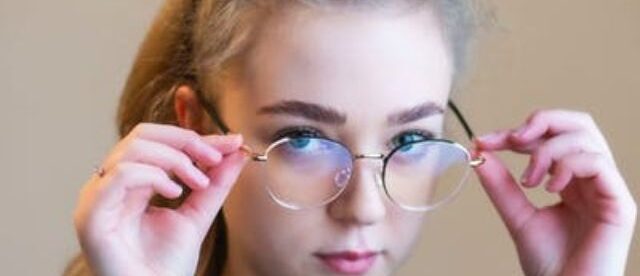

How to Prevent Vision Problems: Healthy Eye Tips That Matter
Learning how to prevent vision problems is one of the best things you can do for your long-term eye health. Some eye conditions are linked to age, family history, diabetes, high blood pressure, or other medical issues. However, daily habits can still make a meaningful difference.
In the United States, millions of people live with vision loss or blindness. Many more are at high risk for serious eye disease. Therefore, regular eye exams, healthy blood sugar, balanced nutrition, protective eyewear, and better screen habits can all help protect your eyes.
You cannot control every eye condition. Still, you can lower many risks, detect problems earlier, and support healthier vision by making smart choices. This guide explains practical ways to prevent vision problems and keep your eyes as healthy as possible.
Why It Is Important to Prevent Vision Problems Early
Many serious eye diseases develop slowly. In the early stages, you may not feel pain or notice clear symptoms. For this reason, conditions such as glaucoma, diabetic retinopathy, cataracts, and age-related macular degeneration can progress before you realize something is wrong.
Routine eye care matters because it can reveal problems early. A comprehensive dilated eye exam allows an eye doctor to detect eye disease before it causes major vision changes. As a result, treatment may work better and help protect your sight.
Even if your vision feels normal, an eye doctor may see signs you cannot notice yourself. In addition, if you wear contact lenses, regular eye checks are important for comfort, fit, and safety.
You can also review our guide on how to care for contact lenses to keep your daily lens routine healthier.
Keep Your Blood Sugar Under Control
Diabetes is one of the major medical conditions linked to vision loss. High blood sugar can damage small blood vessels in the retina, which may lead to diabetic retinopathy. Over time, this condition can cause blurred vision, bleeding inside the eye, swelling, and even vision loss.
To help prevent vision problems linked to diabetes, keep your blood sugar within the range recommended by your doctor. Regular A1C testing, healthy meals, exercise, and medication when prescribed can all help protect your eyes.
Blood pressure and cholesterol also matter. High blood pressure can damage blood vessels in the eye. Meanwhile, unhealthy cholesterol levels may affect circulation. For many people with diabetes, managing blood sugar, blood pressure, and cholesterol together gives the best protection.
Ask your doctor how often you need:
A1C testing
blood pressure checks
cholesterol testing
a comprehensive dilated eye exam
If you already have diabetes, do not wait for vision symptoms before seeing an eye doctor. Early diabetic eye disease may not cause obvious warning signs.
Get Regular Comprehensive Eye Exams
One of the most effective ways to prevent vision problems from becoming severe is to detect them early. A comprehensive dilated eye exam allows an eye care professional to check the retina, optic nerve, macula, and other important parts of the eye.
This exam can help detect conditions such as:
glaucoma
diabetic retinopathy
age-related macular degeneration
cataracts
retinal changes
optic nerve problems
Even if you do not wear glasses or contact lenses, regular eye exams are still important. Many eye diseases do not show clear symptoms at the beginning. Therefore, waiting until your vision changes may delay treatment.
For contact lens wearers, an eye exam also helps confirm whether the lenses still fit well. It can also show whether your eyes tolerate them properly.
Eat a Diet That Supports Eye Health
A healthy diet can support your eyes just like it supports your heart, brain, and immune system. You may have heard that carrots are good for vision because they contain vitamin A. That is true, but eye-friendly nutrition goes far beyond carrots.
Dark leafy greens are especially useful because they contain nutrients such as lutein and zeaxanthin. These nutrients are often linked with macular health. Good choices include spinach, kale, collard greens, and other green vegetables.
Omega-3 fatty acids may also support eye comfort and tear quality. You can find them in fatty fish such as salmon, sardines, and tuna. In addition, walnuts, chia seeds, and flaxseed provide plant-based omega-3 sources.
A healthy eye diet may include:
leafy greens
colorful fruits and vegetables
fish rich in omega-3 fatty acids
nuts and seeds
whole grains
enough water
less added sugar
fewer highly processed foods
If you struggle with dryness, nutrition is only one part of the picture. You may also want to read our article about dry eye syndrome.
Maintain a Healthy Weight
A healthy weight can help reduce the risk of medical conditions that may harm your eyes. Having a higher body weight can increase the risk of type 2 diabetes, high blood pressure, and unhealthy cholesterol levels. As a result, these conditions can affect eye health over time.
You do not need extreme dieting to support your vision. Instead, a realistic plan usually works better. Regular movement, balanced meals, smaller portions, and less processed food can improve both general health and eye health.
Exercise also supports circulation. This is important because blood vessels throughout the body, including those in the eyes, need healthy blood flow.
Good options include:
walking
cycling
swimming
strength training
stretching
light jogging
daily movement breaks
Before starting a new exercise plan, speak with your doctor if you have diabetes, heart disease, high blood pressure, or another medical condition.
Wear Protective Eyewear
Eye injuries can happen at home, at work, during sports, or outdoors. However, many of these injuries can be avoided with proper protective eyewear.
Wear safety glasses or protective goggles when you do tasks that involve dust, chemicals, tools, flying particles, or impact risk. This includes home repairs, yard work, cycling, woodworking, cleaning with strong chemicals, and certain sports.
Protective eyewear should fit well and use strong materials. Polycarbonate lenses are often used because they are impact resistant.
You should also protect your eyes from sunlight. Choose sunglasses that block 99% to 100% of both UVA and UVB rays. UV exposure can contribute to long-term eye problems, so sunglasses are not only a fashion accessory.
Stop Smoking or Avoid Starting
Smoking can harm many parts of the body, including the eyes. It may increase the risk of cataracts, age-related macular degeneration, dry eye symptoms, and optic nerve damage.
Nicotine and other chemicals in cigarette smoke can affect blood vessels and reduce oxygen supply to tissues. Smoke can also irritate the eyes and make dryness worse.
If you smoke, quitting is one of the best choices you can make for your overall health and your vision. If quitting feels difficult, ask your doctor about support options. In addition, reducing exposure to secondhand smoke can help your eyes feel more comfortable.
Give Your Eyes a Break From Screens
Modern life puts a lot of pressure on the eyes. Computers, phones, tablets, televisions, car dashboards, and bright indoor lighting can all contribute to eye strain.
Screen use does not usually cause permanent eye damage by itself. However, it can make your eyes feel tired, dry, blurry, or irritated. This is often called digital eye strain or computer vision syndrome.
To prevent vision problems linked with daily eye strain, build screen breaks into your routine. The 20-20-20 rule is easy to remember: every 20 minutes, look at something about 20 feet away for 20 seconds.
You can also:
blink more often
adjust screen brightness
increase text size
reduce glare
keep screens slightly below eye level
avoid sitting too close to the screen
use proper lighting
take longer breaks during heavy screen work
For more details, read our guide to Computer Vision Syndrome.
Know Your Family Eye Health History
Family history can affect your risk of certain eye diseases. If your parents, grandparents, or siblings had glaucoma, macular degeneration, diabetic eye disease, or other serious eye conditions, your risk may be higher too.
Knowing your family history does not mean you will definitely develop the same condition. However, it helps your eye doctor decide how closely to monitor your eyes.
Ask your family if anyone has had:
glaucoma
macular degeneration
diabetic retinopathy
retinal disease
severe cataracts
vision loss at a young age
eye surgery for disease
Then share that information during your eye exam. As a result, your eye doctor can better understand your risk factors.
Keep Contact Lenses Clean and Safe
If you wear contact lenses, safe lens habits are part of healthy vision. Poor contact lens hygiene can increase the risk of eye infection, irritation, and corneal problems.
Always wash and dry your hands before touching your lenses. Use only contact lens solution, not tap water or saliva. In addition, replace your lenses on schedule and never wear damaged lenses.
Avoid sleeping in contacts unless your eye doctor specifically approves your lens type for overnight wear. Also, keep lenses away from water, including pools, showers, hot tubs, and lakes.
Small contact lens mistakes can create serious problems. For this reason, safe handling should become part of your daily routine.
Watch for Warning Signs
To prevent vision problems from getting worse, do not ignore warning signs. Some symptoms need quick attention from an eye care professional.
Call an eye doctor if you notice:
sudden blurry vision
eye pain
flashes of light
new floaters
loss of side vision
strong redness
light sensitivity
double vision
vision loss in one eye
a curtain-like shadow over your vision
eye injury
Do not wait for symptoms to become severe. Early treatment can make a major difference.
Quick Tips to Prevent Vision Problems
Get regular comprehensive eye exams.
Control blood sugar if you have diabetes.
Keep blood pressure and cholesterol in a healthy range.
Eat leafy greens, colorful fruits, and omega-3-rich foods.
Stay active and maintain a healthy weight.
Wear sunglasses with UVA and UVB protection.
Use protective eyewear during risky activities.
Avoid smoking and secondhand smoke.
Take screen breaks during long computer use.
Know your family eye health history.
Use contact lenses safely and clean them properly.
See an eye doctor if symptoms appear.
Final Thoughts
You may not be able to prevent every eye disease, but you can take strong steps to protect your vision. Regular eye exams, good blood sugar control, healthy food, exercise, sunglasses, protective eyewear, and screen breaks can all support better eye health.
The earlier you act, the better. Many eye conditions are easier to manage when they are found early. Therefore, do not wait until vision loss becomes obvious.
Your eyes work for you every day. With better habits and regular eye care, you can support them for years to come.
Bibliography
Vision Loss Fast Facts — CDC
Prevalence Estimates for Vision Loss and Blindness — CDC
Common Eye Disorders and Diseases — CDC
Taking Care of Your Eyes — CDC
Keep Your Eyes Healthy — National Eye Institute
Frequently asked questions
What should readers keep in mind about Top Ways to Prevent Vision Loss and Eye Defects?
Focus on the exact lens design, parameters, replacement schedule and the routine required to use it consistently. Two products that look similar online may still have important differences.
What details are worth checking before making a change?
Use the article as a starting point, then compare the details with the information printed on your current lens box and the instructions you received for your eyes.
When is general information not enough?
An article cannot account for every wearer, lens design or eye-care history. When you are unsure about fit, parameters, symptoms or a change in your routine, use advice from a qualified eye-care professional who can assess your individual situation.
Related posts: