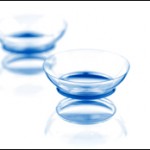
What Is Keratitis? A Complete Guide to Symptoms and Treatment
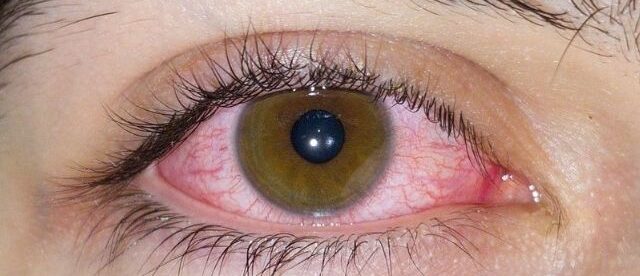
Keratitis and Contact Lenses: Causes, Symptoms, Treatment, and Prevention
Keratitis is an inflammatory condition that affects the cornea, the clear front surface of the eye that helps focus light. Infections, eye injuries, dry eye, UV exposure, and poor contact lens habits can all trigger this problem. For contact lens wearers, keratitis deserves special attention because unsafe lens use can increase the risk of irritation, infection, and corneal damage.
Doctors can often treat keratitis successfully when they diagnose it early. However, delayed treatment may lead to corneal ulcers, scarring, long-term vision problems, or even vision loss. If you wear contact lenses and notice eye pain, redness, discharge, light sensitivity, or blurred vision, remove your lenses and contact an eye care professional as soon as possible.
The CDC’s overview of contact lens-related eye infections lists the warning signs and explains why microbial keratitis can become serious.
What Is Keratitis?
Keratitis develops when the cornea becomes inflamed. It may affect one eye or both eyes, although contact lens-related infections often start in one eye. Symptoms can appear suddenly or develop slowly, depending on the cause.
Some cases come from dryness or irritation and remain mild. Other cases involve bacteria, viruses, fungi, or parasites. Infectious keratitis needs fast medical attention because the cornea can suffer permanent damage if the infection spreads or reaches deeper layers.
Main Causes of Keratitis
Eye doctors usually divide keratitis into two main types: infectious and noninfectious.
Infectious Keratitis
Infectious keratitis occurs when microorganisms enter the cornea and trigger inflammation. This type can progress quickly, so you should never ignore the symptoms.
Bacterial keratitis often affects contact lens wearers. It may develop when someone cleans lenses incorrectly, wears them too long, exposes them to water, or stores them in old solution. It can cause sudden pain, redness, light sensitivity, discharge, and reduced vision.
Viral keratitis often involves herpes simplex virus or varicella-zoster virus. It may return more than once and sometimes leaves corneal scars that affect vision.
Fungal keratitis occurs less often, but it can become serious. It may follow an eye injury involving plant material, soil, or organic matter. Poor contact lens habits can also increase the risk.
Parasitic keratitis, especially Acanthamoeba keratitis, is rare but very serious. It often appears after contact lenses touch contaminated water, including tap water, swimming pools, lakes, or hot tubs.
Noninfectious Keratitis
Noninfectious keratitis does not involve germs. Eye injury, dryness, inflammation, and environmental exposure can all cause it.
Common triggers include:
Eye scratches or foreign bodies
Severe dry eye
Wearing contact lenses for too long
Sleeping in lenses without approval
Strong UV exposure
Chemical irritation
Autoimmune conditions
Even noninfectious keratitis can become more serious when corneal damage allows bacteria to enter the eye.
Why Contact Lens Wearers Need to Be Careful
Contact lenses can work safely and comfortably when you use them correctly. However, wearing lenses for too long, sleeping in them, rinsing them with water, or using old solution can raise the risk of keratitis.
This matters especially for people who buy contacts without prescription and continue using the same lens type without regular eye exams. Even when your vision feels stable, your eyes can change over time. A lens that once felt comfortable may later cause dryness, rubbing, irritation, or poor oxygen flow.
If you are unsure about daily lens care, read this guide on how to care for contact lenses. A clean routine can reduce many avoidable eye risks.
Symptoms of Keratitis
Early keratitis symptoms may feel like ordinary eye irritation, but contact lens wearers should take them seriously.
Common symptoms include:
Eye pain
Persistent redness
Blurred or reduced vision
Light sensitivity
Watery eyes
Discharge from the eye
A gritty or foreign-body sensation
Difficulty keeping the eye open
Swelling around the eye
If symptoms do not improve after you remove your lenses, contact an eye care professional. If your eye hurts, looks very red, reacts strongly to light, or your vision changes, seek urgent help.
How Eye Doctors Diagnose Keratitis
An eye doctor needs to examine the eye carefully to confirm keratitis. During the exam, the doctor may use a slit lamp to inspect the cornea and look for inflammation, ulcers, scratches, or signs of infection.
When the doctor suspects an infection, they may take a small sample from the cornea to identify the organism. This helps them choose the right treatment, such as antibiotic, antiviral, antifungal, or antiparasitic medication.
A correct diagnosis matters because different types of keratitis can look similar at first. However, they need different treatments. Wrong drops or delayed care can make the condition worse.
Treatment Options for Keratitis
Treatment depends on the cause and severity of the condition.
Bacterial keratitis usually requires antibiotic eye drops. Severe cases may need stronger medication or more frequent dosing.
Viral keratitis may require antiviral eye drops or oral antiviral medicine. In some cases, the doctor may add anti-inflammatory drops, but only under close supervision.
Fungal keratitis often needs antifungal eye drops or oral medication. Recovery may take weeks, and the eye doctor must monitor progress carefully.
Acanthamoeba keratitis usually requires long-term treatment because this infection can be difficult to control.
Noninfectious keratitis improves when you remove the cause. Your doctor may recommend stopping contact lens wear for a while, using lubricating drops, protecting your eyes from UV light, or treating dry eye and inflammation.
In severe cases, corneal scarring can reduce vision. When damage becomes significant, an eye surgeon may consider a corneal transplant.
How to Prevent Keratitis
Prevention matters most for contact lens wearers. Simple daily habits can protect your eyes when you follow them consistently.
Wash and dry your hands before touching lenses.
Use only fresh contact lens solution.
Do not rinse or store lenses in tap water.
Do not top off old solution in the lens case.
Replace your lens case regularly.
Follow the recommended wearing schedule.
Do not sleep in lenses unless your eye doctor approves it.
Remove lenses before swimming, showering, or using a hot tub.
Never wear damaged or expired lenses.
Stop wearing lenses if your eyes become painful, red, or unusually sensitive.
The right cleaning product also matters. If you use reusable lenses, read this article on how to choose the right contact lens solution. It explains why solution type, lens material, and storage habits matter.
Contact Lenses, Water, and Overnight Wear
Water exposure and overnight wear create two of the biggest keratitis risks. Water can carry microorganisms that attach to contact lenses and reach the cornea. For this reason, you should never rinse lenses with tap water or wear them while swimming or showering.
Overnight wear can also raise the risk. When your eyes stay closed during sleep, the cornea receives less oxygen. Some lenses allow extended wear, but that does not mean every person can safely sleep in them. Your eye care professional should decide whether overnight wear suits your eyes.
People who order contacts without prescription should treat lens safety seriously. Contact lenses are medical devices, and safe habits matter as much as the lens power itself.
For more everyday safety rules, see this guide to contact lens dos and don’ts.
Potential Complications of Untreated Keratitis
Untreated keratitis can lead to serious eye problems, including:
Corneal ulcers
Corneal scarring
Reduced vision
Chronic eye discomfort
Corneal perforation
Secondary eye infections
Permanent vision loss in severe cases
Early diagnosis and proper treatment can prevent many of these complications.
Final Thoughts
Keratitis can become a serious eye condition, so you should not ignore it. Infection, injury, dry eye, UV exposure, and unsafe contact lens habits can all contribute to corneal inflammation. For contact lens wearers, the most important prevention steps include clean hands, fresh solution, proper storage, no water exposure, and no overnight wear unless an eye care professional approves it.
If your eye becomes painful, red, sensitive to light, watery, or blurry, remove your contact lenses and seek medical advice promptly. Early treatment can protect your cornea, reduce the risk of scarring, and help preserve healthy vision.
When contact lens symptoms need urgent attention
Keratitis is inflammation of the cornea, and some causes can progress quickly. Contact lens wearers should not try to distinguish a minor irritation from a corneal problem at home when symptoms include pain, strong redness, light sensitivity, discharge or reduced vision. Remove the lenses and seek prompt eye care.
Risk reduction begins with ordinary handling: clean and dry hands, the correct replacement schedule, fresh care solution for reusable lenses and no contact between lenses and tap water. Sleeping in lenses should be limited to products and schedules specifically approved and prescribed for that use. Never put a lens back into an eye that remains painful or red.
Related prevention guides
- Review contact lens care, risks and safety.
- Read what can happen when sleeping in contact lenses is not part of the prescribed schedule.
- Use the broader checklist for daily eye care.
Keep the lens, its case and the product packaging if a clinician asks to see them, but do not delay care while trying home remedies.
Frequently asked questions
What should readers keep in mind about What Is Keratitis? A Complete Guide to Symptoms and Treatment?
The routine depends on the lens type. Daily disposables are replaced after use, while reusable lenses follow the cleaning, disinfection and replacement instructions supplied for that product.
What details are worth checking before making a change?
Pause lens wear when something feels unusual and review the lens, your handling routine and the product instructions. If a problem is unexpected, persistent or worsening, ask a qualified eye-care professional for individual advice.
When is general information not enough?
An article cannot account for every wearer, lens design or eye-care history. When you are unsure about fit, parameters, symptoms or a change in your routine, use advice from a qualified eye-care professional who can assess your individual situation.
Related posts: