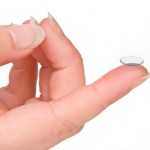
Can You Rehydrate Contacts? Tips for Restoring Dried-Out Lenses

Prefer a Fresh Pair Every Day?
Daily disposable lenses eliminate overnight cleaning and storage. Wear a fresh pair each day and discard it after removal.
Can you rehydrate contacts after they have completely dried out? Sometimes a reusable contact lens may have manufacturer-specific rehydration instructions, but soaking it in solution does not automatically make it safe to wear again. A dried-out lens may become warped, damaged, or contaminated, even when those changes are difficult to see.
Daily disposable lenses should always be discarded after removal and must never be rehydrated for reuse. With reusable soft or rigid gas permeable lenses, follow the care instructions provided for the exact model. When those instructions are unavailable or you have doubts about the lens, replacing it is the safest choice.
Key Takeaways
- Never place a completely dried-out contact lens directly on your eye.
- Discard dried-out daily disposable lenses instead of trying to reuse them.
- Only rehydrate a reusable lens when its manufacturer provides instructions for doing so.
- Never use tap water, bottled water, saliva, or homemade saline on contact lenses.
- Throw away any lens that looks warped, torn, cloudy, discolored, or unusual after soaking.
- Remove the lens immediately if it causes pain, redness, blurred vision, or persistent discomfort.
Why Contact Lens Hydration Matters

Soft contact lenses contain water and depend on moisture from the tear film to remain flexible on the eye. Their curved shape and smooth surface allow them to rest on the cornea while moving slightly during blinking.
When a soft lens loses too much moisture, it can change shape and become less flexible. A severely dehydrated lens may appear curled, wrinkled, brittle, or stuck to the surface on which it dried.
Adding solution may make some reusable lenses look soft again. However, appearance alone does not confirm that the lens remains structurally sound, clean, or suitable for wear. Rehydration should never be treated as a universal rescue method.
What Causes Contact Lenses to Dry Out?

A contact lens can lose moisture while it is being worn or after it has been removed. The cause matters because a lens that feels dry on the eye is different from one left exposed to air outside its case.
An Unstable Tear Film
The tear film covers and lubricates the front of the eye. When it breaks up or evaporates too quickly, the contact lens surface may become less comfortable. This can cause dryness, fluctuating vision, or a feeling that the lens is sticking to the eye.
Dry, Windy, or Air-Conditioned Environments
Wind, heating, air conditioning, fans, and low indoor humidity can increase moisture loss. Long periods in these environments may make contact lenses feel dry before the end of the day.
Reduced Blinking
Reading, driving, and prolonged screen use can reduce the frequency or completeness of blinking. Less frequent blinking means the tear film may not spread evenly across the contact lens surface.
Wearing Lenses for Too Long
Contact lenses often become less comfortable when worn beyond their recommended daily wearing time. Deposits, tear-film changes, and surface drying can all contribute to discomfort.
Improper Storage
A reusable lens may dry out when its case contains too little solution, the cap is not closed correctly, or the solution evaporates during extended storage. Leaving a lens on a counter, tissue, or another exposed surface can dry it out quickly and may also contaminate it.
Lens Material, Fit, and Tear Film
Dryness cannot be predicted from water content alone. Lens material, surface technology, fit, replacement schedule, tear-film quality, and wearing environment all influence comfort. A high- or low-water lens is not automatically better for every wearer.
What Happens When Contact Lenses Dry Out?

Severe dehydration can affect the shape, flexibility, surface, and optical performance of a contact lens. The exact changes depend on the lens material and how long it remained dry.
- Loss of flexibility: A soft lens may become stiff, curled, or brittle after losing moisture.
- Shape changes: The lens may shrink, warp, or fail to return evenly to its original shape.
- Surface damage: Drying can contribute to fine cracks, tears, rough areas, or irregular edges.
- Deposit buildup: Proteins, oils, cosmetics, and debris may remain attached to the lens surface.
- Contamination: A lens left on an unclean surface may collect dust, fibers, bacteria, or other contaminants.
- Poor vision or discomfort: A damaged or misshapen lens may move incorrectly, blur vision, or irritate the eye.
A lens does not need to have a visible tear to be unsuitable for use. Subtle surface or shape changes may be difficult to identify without professional equipment.
Can You Rehydrate Contacts After They Dry Out?

The answer to can you rehydrate contacts depends on the lens type and its manufacturer’s care instructions. Some reusable soft lenses have specific directions for rehydrating a lens that was accidentally allowed to dry. Other manufacturers recommend discarding dried-out lenses rather than attempting to reuse them.
Rehydration should therefore never be based on a general online method. Follow only the directions supplied with the exact lens brand and model. When the packaging or instructions are unavailable, replace the lens.
| Situation | Safest action |
|---|---|
| A daily disposable lens has dried out | Discard it. Daily lenses are designed for one day of wear and should not be cleaned, stored, or reused. |
| A reusable soft lens was left outside its case | Check the instructions for the exact lens. If they do not provide a rehydration procedure, discard it. |
| The lens touched the floor, sink, or another unclean surface | Discard it rather than attempting to clean and reuse it. |
| The lens looks torn, cloudy, warped, or discolored | Discard it immediately. |
| The lens feels uncomfortable after approved rehydration | Remove and discard it. Do not continue wearing it to see whether the discomfort improves. |
| A rigid gas permeable lens has dried out | Follow the care instructions for that specific material and care system. |
When Can You Rehydrate Contacts Safely?
If you are wondering can you rehydrate contacts safely, the first step is to identify the exact lens model. Only follow a rehydration procedure when the manufacturer specifically provides one for that lens.
Even an approved procedure does not guarantee that every dried-out lens remains usable. The lens must return to its normal appearance, shape, flexibility, and comfort. Any sign of damage or contamination means it should be discarded.
Use Only the Recommended Contact Lens Solution
When manufacturer instructions permit rehydration, use only the rinsing, storage, or disinfecting product recommended for that lens. Our guide to contact lens solution ingredients explains why saline, multipurpose solution, and hydrogen peroxide systems do not perform the same functions.
Saline may rinse a contact lens, but it does not disinfect it. Rewetting drops lubricate lenses during wear but should not replace a complete cleaning and disinfection system.
Can You Rehydrate Contacts With Saline?
Saline may temporarily wet a lens, but it does not disinfect it. Therefore, the answer to can you rehydrate contacts with saline alone is generally no when disinfection is also required. Use the complete care system specified for the lens.
Never use any of the following to rehydrate or store a contact lens:
- Tap, bottled, filtered, or distilled water
- Saliva
- Homemade salt water
- Old solution left in the case
- Eye drops not approved for use with contact lenses
- Hydrogen peroxide that has not completed neutralization
What to Do if a Reusable Lens Dries Out

Do not automatically soak a dried lens overnight and assume it is ready to wear. Start by identifying the lens type and locating its official care instructions.
- Identify the lens. Confirm whether it is daily disposable, reusable soft, or rigid gas permeable.
- Check its replacement date. Discard the lens if it has already reached the end of its scheduled replacement period.
- Review the care instructions. Look for a section covering dried-out or dehydrated lenses.
- Wash and dry your hands. Use soap and a clean, lint-free towel before handling the lens or case.
- Inspect the lens without stretching it. Look for tears, chips, cracks, discoloration, deposits, or an irregular shape.
- Follow only the approved procedure. Use the specified solution and complete the required soaking and disinfection time.
- Inspect the lens again. Discard it if it does not return to its normal appearance or shape.
- Stop at the first sign of discomfort. Remove the lens immediately if it causes pain, redness, blurred vision, or unusual irritation.
When the lens history is uncertain, replacement is safer than experimentation. A new lens costs far less than treating an avoidable eye injury or infection.
For routine handling and storage instructions, read our guide on how to care for contact lenses.
Wear Reusable Contact Lenses?
Explore monthly lenses for wearers who prefer a planned replacement schedule and are comfortable following a regular cleaning routine.
What if a Contact Lens Dries Out on Your Eye?
A contact lens can feel dry or stick to the eye after prolonged wear, reduced blinking, or exposure to wind and air conditioning. Do not pull forcefully on a lens that feels stuck.
- Wash and dry your hands.
- Apply contact-lens rewetting drops approved for your lens type.
- Blink several times and wait for the lens to move more freely.
- Gently remove it using your normal removal technique.
- Discard the lens if it appears damaged or continues to cause discomfort.
Do not apply tap water or saliva to loosen the lens. Seek professional eye care if it remains stuck or you develop significant pain, persistent redness, light sensitivity, discharge, or reduced vision.
When Should You Discard a Dried-Out Contact Lens?

Discarding a questionable lens is usually safer than trying to save it. Replace the lens immediately when any of the following applies:
- It is a daily disposable lens that has already been removed.
- The lens dried on an unclean or unknown surface.
- Its replacement period has already ended.
- The edge is torn, chipped, rough, or irregular.
- The lens looks cloudy, discolored, scratched, or heavily coated.
- It remains curled, warped, or stiff after an approved soaking procedure.
- You cannot confirm how long it remained dry.
- The correct care instructions are unavailable.
- The lens causes pain, burning, blurred vision, redness, or persistent irritation.
Never keep wearing an uncomfortable lens in the hope that it will settle. Remove it, inspect it, and use a fresh replacement.
How to Prevent Contact Lenses From Drying Out
Preventing dehydration is easier and safer than deciding whether a dried lens can be rescued. These habits can protect reusable lenses and improve comfort during wear.
- Store reusable lenses fully submerged in fresh solution.
- Close both sides of the lens case securely.
- Never top off old solution with a fresh portion.
- Empty and clean the case after each use, then allow it to air-dry upside down.
- Replace the case at least every three months or according to the care-system instructions.
- Keep lenses away from tap water, steam, swimming pools, and showers.
- Follow the recommended daily wearing time and replacement schedule.
- Blink regularly during long periods of screen use.
- Use only rewetting drops approved for your contact lens type.
- Carry a spare pair of lenses and a suitable storage case when traveling.
Recurring end-of-day dryness may relate to the lens material, fit, tear film, environment, or wearing schedule. Our guide to contact lenses and dry eyes explains common causes and ways to improve comfort.
Reusable vs. Daily Disposable Contact Lenses
Reusable contact lenses may suit wearers who are comfortable cleaning and storing their lenses after each use. Their care requires fresh disinfecting solution, a clean case, and consistent replacement habits.
Daily disposable lenses simplify the routine. You open a new sterile pair each day and discard it after removal. Because they are not stored overnight, there is no need to decide whether a lens left dry in a case can be reused.
Frequently Asked Questions
Can You Rehydrate Contacts That Dried on a Clean Surface?
The question can you rehydrate contacts cannot be answered based only on whether the surface appeared clean. Follow the instructions for the exact lens model. When no approved procedure is available, discard the lens.
Can You Rehydrate a Daily Disposable Contact Lens?
No. Daily disposable lenses should be discarded after removal. They are not designed to be cleaned, stored, rehydrated, or worn again.
Can You Put a Dried-Out Contact Lens Directly Into Your Eye?
No. A dried lens may be stiff, warped, damaged, or contaminated. Do not place it directly on the eye.
Will Soaking a Dried Lens Overnight Make It Safe?
Not necessarily. Soaking may restore the appearance and flexibility of some reusable lenses, but it does not guarantee that the lens is undamaged or suitable for wear.
Can Saline Rehydrate and Disinfect a Contact Lens?
Saline may rinse or wet a lens, but it does not disinfect it. A reusable lens requires the complete care system specified for its material and replacement schedule.
Can You Use Water to Soften a Dried Contact Lens?
No. Contact lenses should not be rinsed, softened, or stored in tap, bottled, distilled, or filtered water.
Can You Rehydrate Contacts? The Safest Answer
So, can you rehydrate contacts? Some reusable lenses may have an approved procedure, but there is no universal method that applies to every contact lens. Daily disposables must be discarded, and any reusable lens that appears damaged, contaminated, or uncomfortable should also be replaced.
Never use water, saliva, homemade saline, or previously used solution. When you cannot verify the lens type, its condition, or the correct care instructions, do not take a chance with your eye health.
Prefer a Fresh Pair Every Day?
Daily disposable lenses eliminate overnight cleaning and storage. Wear a fresh pair each day and discard it after removal.
Related posts: