9 Things to Consider Before Buying Contact Lenses for the First Time

Planning to switch from eyeglasses to contact lenses? You should think about it carefully because not all people can handle the latter. Some of us are better off with glasses, and there’s a fifty-fifty chance that you’re one of them. If contacts aren’t ideal for eyes or lifestyle, they can trigger discomfort every single day or become unsanitary due to neglect. For your safety and convenience, check out the following factors to consider before getting lenses for the first time:
Existing Medical Conditions
We’re not even talking about eye conditions alone. Some health conditions like diabetes can force you to avoid using contact lenses. That’s because diabetes can cause severe dry eye syndrome.
And, since contacts require careful handling, they’re not ideal for you if you have shaky or unstable hands. Hyperthyroidism can also affect how a person inserts or removes their lenses because of the possibility of unpredictable twitching.
To make sure you don’t have existing medical conditions, consult a general practitioner before buying contact lenses. We suggest you do that first before going to an ophthalmologist so you can ask the eye doctor if your current health status is okay enough for contacts.
Advice
Sometimes, other people’s opinions can help you decide on a matter quickly, especially if you’re still very young. Since buying your first set of contact lenses can be a life-changing decision, getting advice from your parents, guardians, friends, or co-workers will go a long way. You can ask them whether or not you seem ready to use contacts. Then, they’ll probably tell you their observations about your daily routine or habits as well as your personality.
Besides, the people who raised you can say a thing or two about any medical condition you experienced in the past that might be relevant to your present eye health.
Surroundings
Think about what surrounds you every day once you get out of your home. Are you using public transport? If so, is your area polluted? Do you always work outdoors or in an industrial environment? These are the questions you need to ask yourself if you’re not working from home. Airborne irritants like dust and chemicals can stick on the surface of your contact lenses and may hurt your eyes.
Allergies
It goes without saying that constant allergies can irritate your eyes, which will only get worse if you’re going to wear contact lenses. Of course, you can still use contacts even if you have seasonal allergies, but you won’t be able to wear them anytime you want.
To safely deal with allergens, you should always keep your glasses with you whether you like it or not. Without lenses, your eyes will remain safe even if you’re going to rub them unconsciously.
Climate
If it’s always cold in your area, you should switch to contact lenses as long as you’re a healthy, responsible person who works in normal conditions. That’s because glasses tend to fog up in lower temperatures.
There are also breathable, hydrated contacts that can relieve dry eyes. Dry eye syndrome is a pretty common issue for people living in colder countries and even simpler environments like an air-conditioned office space.
Wearing lenses under snow goggles is highly recommended as well if you have vision problems. Using ordinary glasses while playing winter sports is always a bad idea.
Active Lifestyle
If you’re always on the go to hit the gym or play sports, definitely rely on contact lenses instead of glasses. You can easily break your glasses when you run, jump, and do other dynamic movements. In addition, that kind of eyewear will only get in the way of your headgear if you play sports like baseball, softball, hockey, and skateboarding.
Type of Eyeglasses Being Used
Glasses have always been beneficial for most people with vision problems. However, since they come in different variations for different conditions, some people find it more challenging than others to wear their spectacles.
For example, high-powered glasses are usually heavier and thicker, which can be very uncomfortable. In order to lessen the discomfort, the person can just wear high-powered contact lenses more frequently.
Risks
Before buying contact lenses, make sure you have enough knowledge about them, especially the dangers associated with that type of eyewear. Most of the time, ignorance is NOT bliss.
If you’re not careful enough, contact lenses can trigger ulcers and other infections in your eyes. The worst-case scenario is blindness.
If you want to be 100% safe, feel free to make the best of glasses. However, if you’re confident enough that you can handle the regular cleaning and maintenance of contacts, get out of your comfort zone and use them as you go about your daily life.
Sense of Responsibility
Presence of mind is important if you want to be a contact lens wearer. If you’re willing to learn more about contacts and certain that you’ll immediately consult a specialist in case of problems, you have what it takes to be a regular user of lenses. Get ready to notice signs like redness so you’ll be able to stop wearing contacts before it gets worse.
Additionally, you should know if you have it in you to never skip the routine of washing your hands before touching your contact lenses and disinfecting each lens before storage. You should also observe proper methods by never cleaning the lenses with water or spit.
There’s a way to avoid maintenance, though. Simply use daily disposable contact lenses.
Conclusion
Some of the things you need to consider before purchasing contact lenses for the first time are your overall health status, loved ones’ advice, surroundings, seasonal health conditions like allergies, country’s climate, lifestyle, eyeglasses, knowledge about the risks, and sense of responsibility. If you’re a healthy, active, knowledgeable, and responsible person living in normal conditions, you have all the freedom in the world to finally wear contacts for good.
You can choose:
Where to Buy Contact Lenses for the First Time
Since we at Contact Lenses 4 Us don’t require prescriptions before purchase, you can instantly buy lenses from us as soon as you have the go-ahead signal from your eye doctor that you’re finally ready to use them. We have a variety of contacts like the daily disposable 1-Day Acuvue TruEye, the corrective Air Optix for Astigmatism, and the fashionable FreshLook Colors. We ship globally so you can order from us no matter where you are in the world.
Also check:
The Ultimate Guide to Buying Your First Contact Lenses
Choosing The Right Contact Lenses Without Prescription
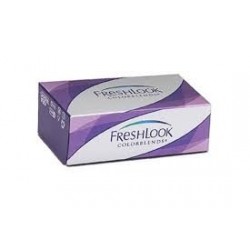
FreshLook Colorblends 2 contact lenses
FreshLook ColorBlends, crafted by Alcon Vision Care, are monthly colored contacts providing comfort, style, and diverse looks...

Dailies Aqua Comfort Plus Toric (30 lenses)
Dailies AquaComfort Plus Toric contact lenses without prescriptionFight astigmatism without causing any harm to your eyes w...
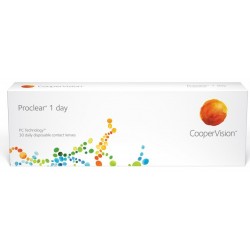
Proclear 1 Day Contacts
Proclear 1 Day Contacts, made by Cooper Vision keeps you from getting that gritty, sandy feeling in your eye. The PC technolo...
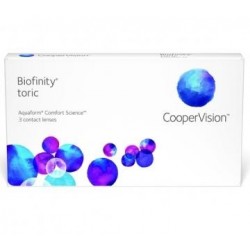
Biofinity Toric 6 contact lenses
Biofinity toric contacts by CooperVision are soft, monthly disposable lenses made to correct astigmatism. With Aquaform® Tec...